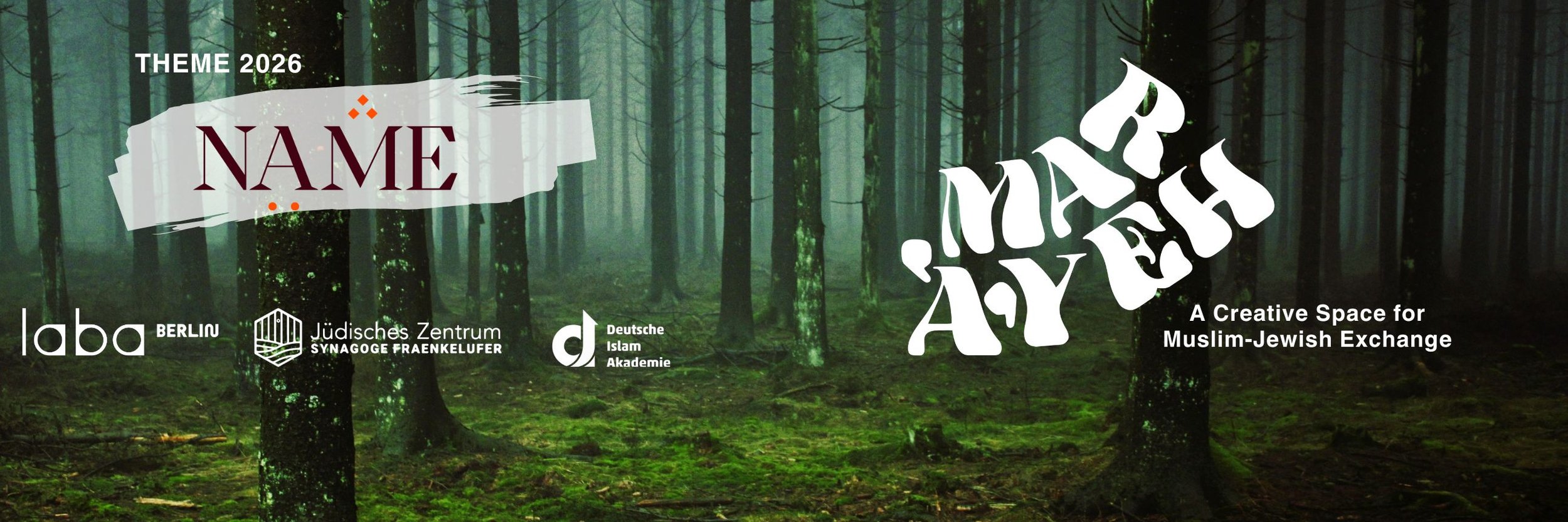
Mar’a’yeh (مرايه), the Levantine Arabic word for mirror, contains within it the Hebrew word mar’a (מַראָה), which carries the same meaning. Together, they form an infinity mirror: the words are inseparable, yet their connection remains invisible to the untrained eye. Mar’a’yeh understands art as a mirror, one that reflects the multifaceted essence of society without simplification, dissection, or categorization. Our Mar’a’yeh, mar’a on the wall, does not flatter or reassure. Instead, it reflects both flaws and beauty, revealing the complexities and predicaments of human experience. Mar’a’yeh seeks to challenge perceptions of Jewishness and Muslimness in German society, to stimulate dialogue, and to encourage deeper ways of seeing ourselves and one another.
Mar’a’yeh is a program by Laba Berlin, supported by the Jüdisches Zentrum Synagoge Fraenkelufer and the Deutsche Islam Akademie. It takes place at Künstlerhaus Bethanien, an international cultural center in Berlin-Kreuzberg dedicated to empowering minority artists and fostering critical reflection on contemporary art and culture. Together, we invite Berlin-based artists who identify as Jewish and/or Muslim to participate in a year-long process of exchange, conversation, and co-creation. Fellows will be supported by a creative ecosystem that offers guidance alongside a shared space for process, emotion, and vulnerability. The program includes an immersive engagement with Jewish and Islamic texts and lived experiences as sources of inspiration for artistic practice, dialogue, and critique. Intellectual input, critical feedback, and skill development will be fostered through peer learning, supported by a team of scholars, academics, social practitioners, and artists.
The Theme 2026: NAME
In keeping with LABA’s tradition, an annual theme provides a focus for study, discussion, and creation. This year, we turn to the potency and mystery of names. When your name is called, you turn — your body responds with the reverberating certainty of that is me, لبيك , הנני. But how does a word become synonymous with a living being? When we call the name of another, it is as if we hold a powerful leash: a body reacts. A name becomes a bridge between the world of language and the world of the soul.
Names do not merely identify; they situate creation within a web of memory, ethics, and divine relation. To name is to interpret, to draw a boundary, to assign meaning and responsibility. In the Torah, Adam is invited to name the animals. He participates in the unfolding of creation through language. In the Qur’an, God teaches Adam the names of all things, establishing knowledge itself as a divine gift and a measure of human dignity. Across both traditions, naming is bound to power and care: words can clarify the world, but they can also distort it, narrowing complex realities into fixed categories.
Names mark belonging and exclusion, intimacy and danger. A name can expose someone as familiar or foreign in a matter of seconds; it can carry stigma, expectation, history, and myth. Names are translated, mispronounced, concealed, or weaponized, undergoing constant reidentification. And yet, they continue to reach toward an original essence. In Jewish tradition, God’s most sacred name is unpronounceable; instead, God may be called HaShem “The Name.” In Islam, God is approached through ninety-nine names and attributes (al-Asmāʾ al-Ḥusnā), through which God is revealed to humanity, an approach toward the ineffable. Through this theme we wish to explore with you the complexity of naming, of being named, and of giving voice to that which language strains to hold.
The Fellowship
The fellowship program offers sustained opportunities for intellectual exchange alongside resources for the realization of a creative project. Fellows will receive an honorarium of €1,650 for their commitment, as well as €1,300 for material expenses related to the production of their final works. Artists will share studio space for the duration of the fellowship, supporting collaborative practices, organic creative relationships, and intellectual growth. Fellows will present their work through open studio events at Künstlerhaus Bethanien and in a final public exhibition and performance series in late November. The resulting works are expected to reflect the shared journey of the cohort and to be developed during the course of the program.
Mar’a’yeh is open to professional artists who identify as Jewish and/or Muslim. This identification may be religious, ethnic, or cultural. We recognize that identity is complex and multilayered, and we welcome the broadest possible understandings of these identifications. The program aims to cultivate robust intellectual and cultural dialogue through a critical and creative approach that brings textual engagement into conversation with other forms of artistic expression. Artists from all disciplines are encouraged to apply.
EXHIBITION
Künstlerhaus Bethanien Showroom
Kottbusser Str. 10/d, 10999 Berlin
Upcoming exhibition: November 2026
Tuesday-Sunday, 14:00-19:00
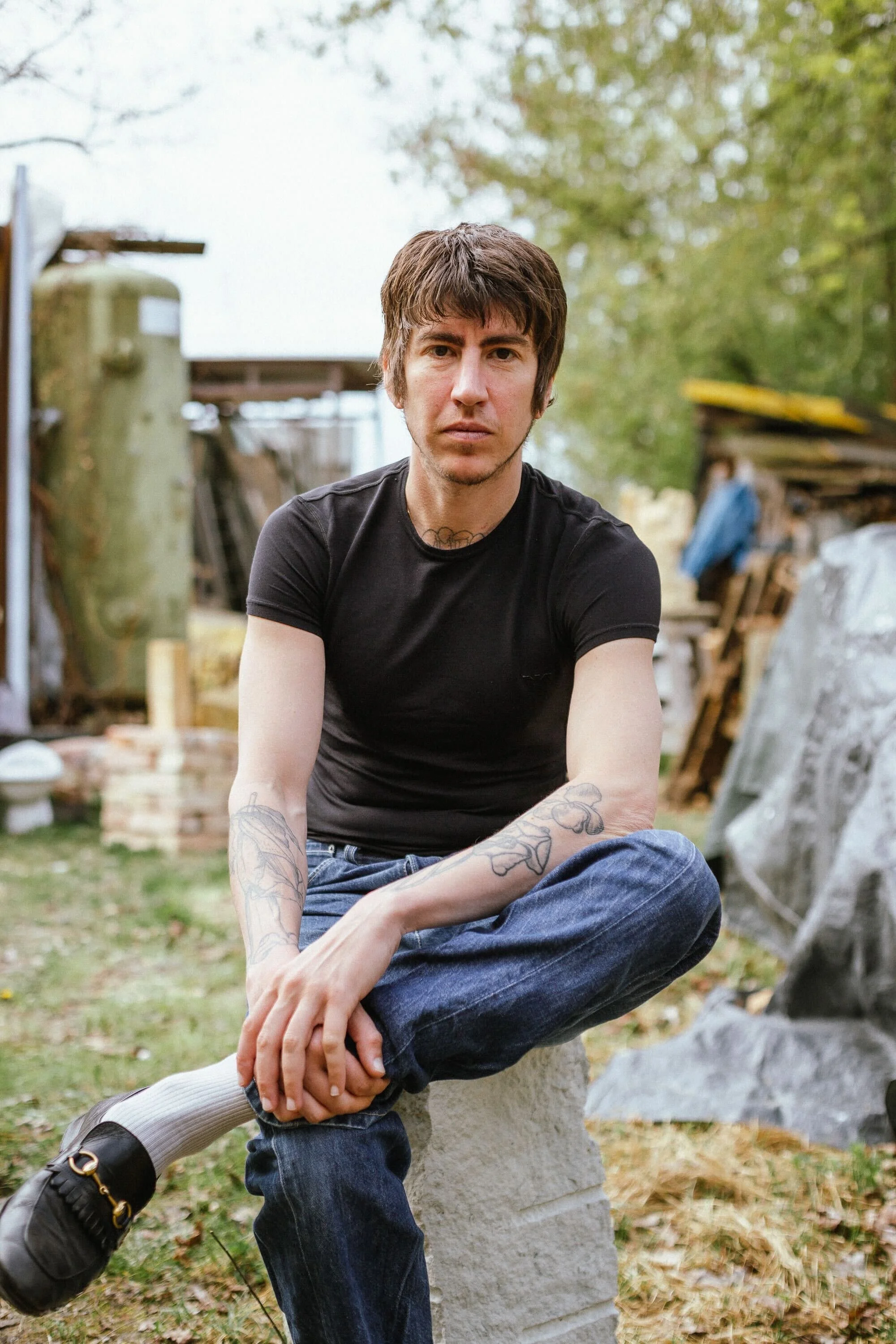
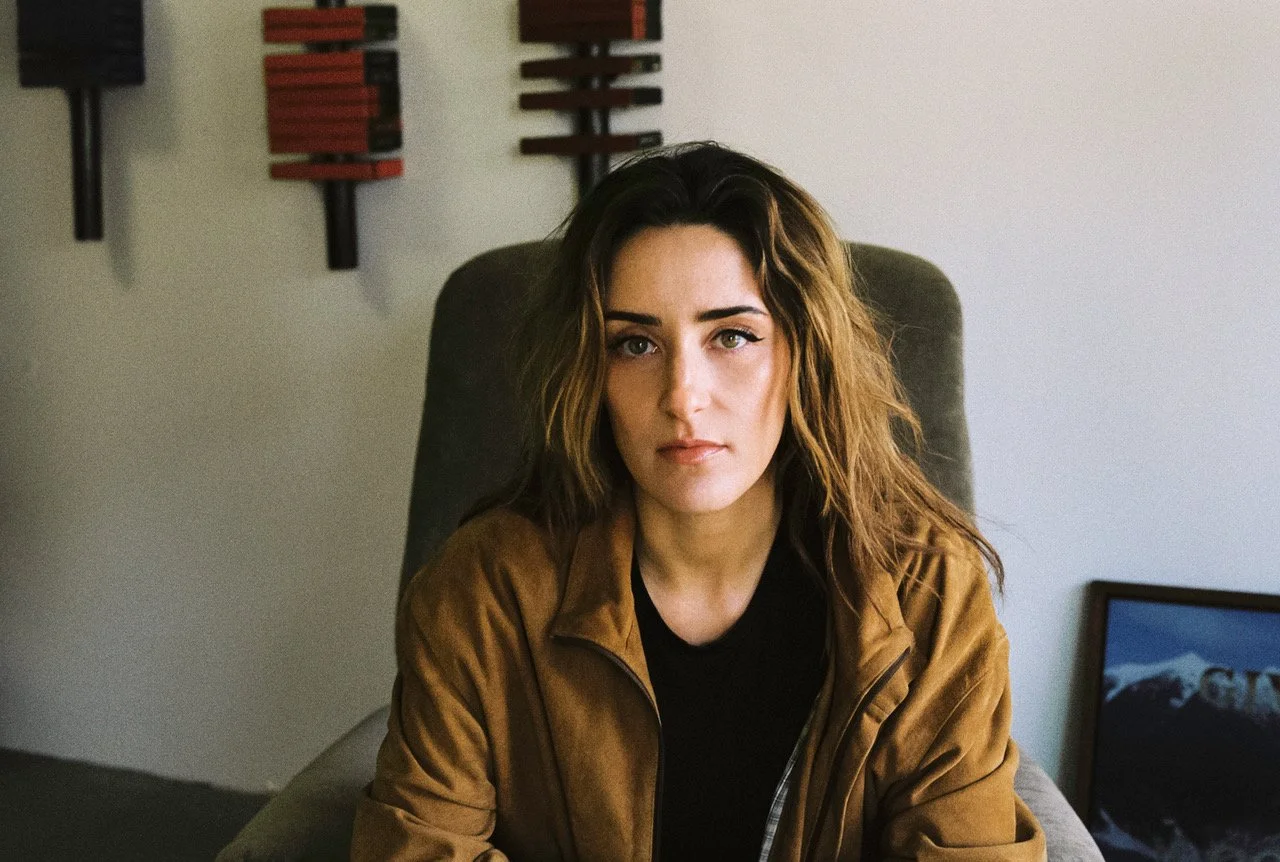
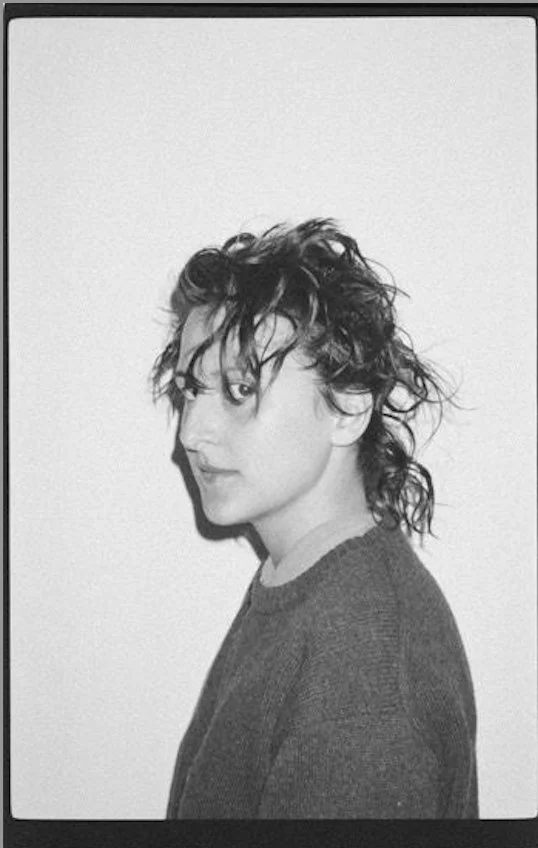
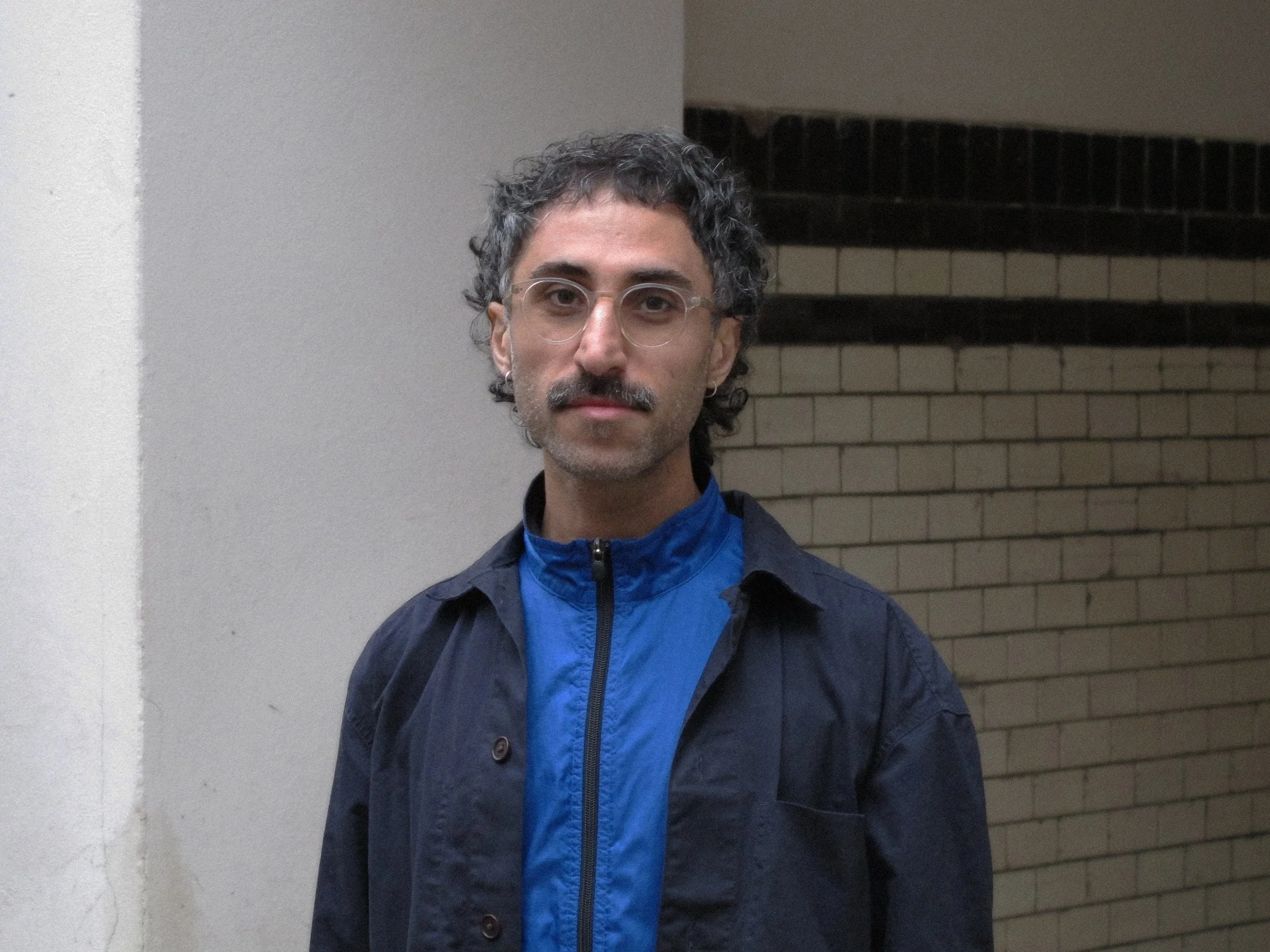
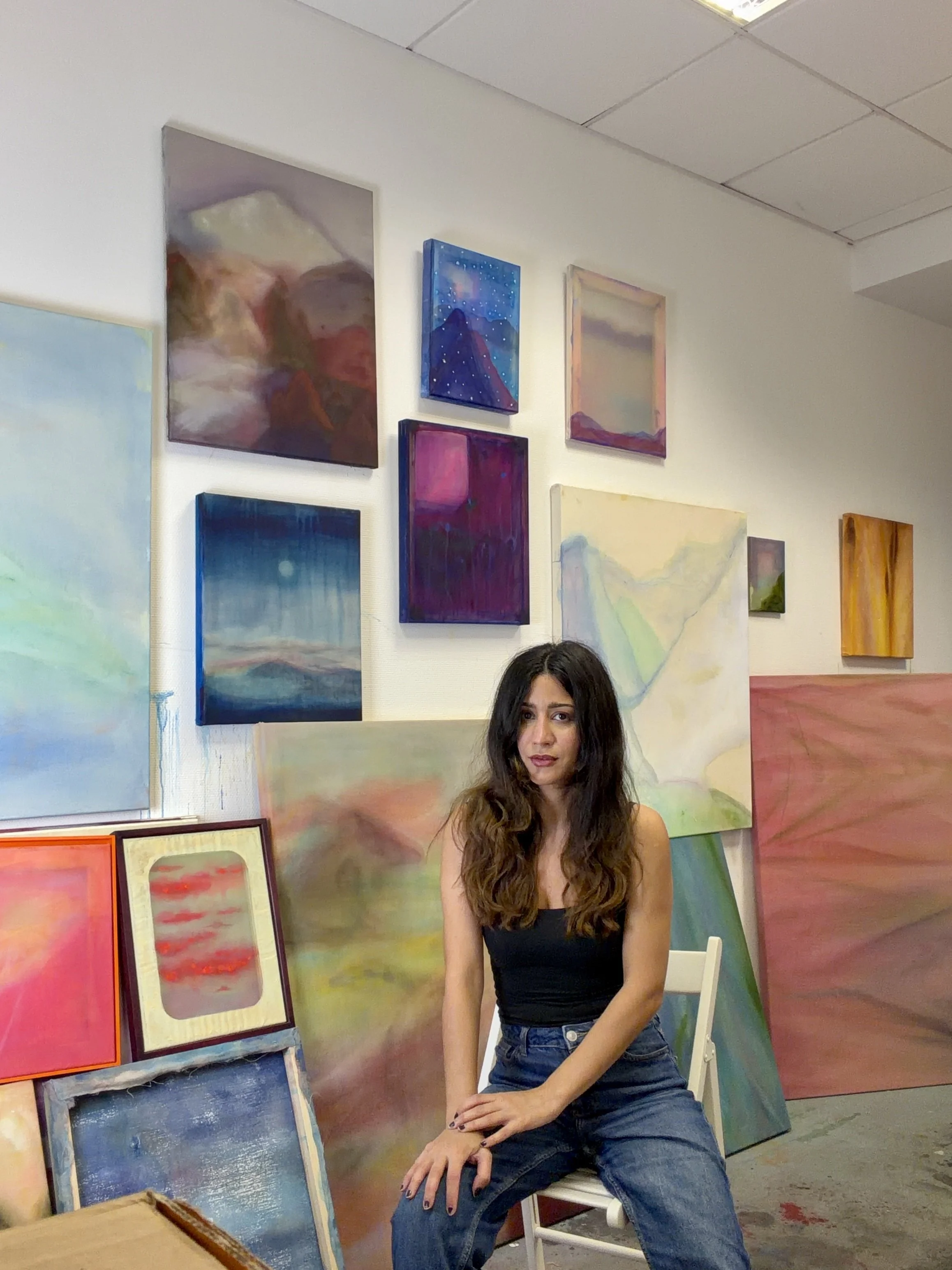
2026 Fellows
-
![]()
Alexandru Gavriel Ganea
-
![]()
Jeremy Steinberger
-
![]()
Billie Clarken
-
![(A)Viv Maoz Haggiag]()
(A)Viv Maoz Haggiag
-
![]()
Yoav Hainebach
-
![]()
Melisa Yağmur Saydı
-
![]()
Özlem Yılmaz
-
![Hamza Mohammed Beg]()
Hamza Mohammed Beg
-
![]()
Olivia Kassaei
-
![]()
Farokh Falsafi
-
![]()
Simay Keles